

Key Takeaways
- The five biggest European carmakers have seen double-digit share price falls this year.
- Electrification remains key to carmakers’ success, as EV sales continue to grow worldwide.
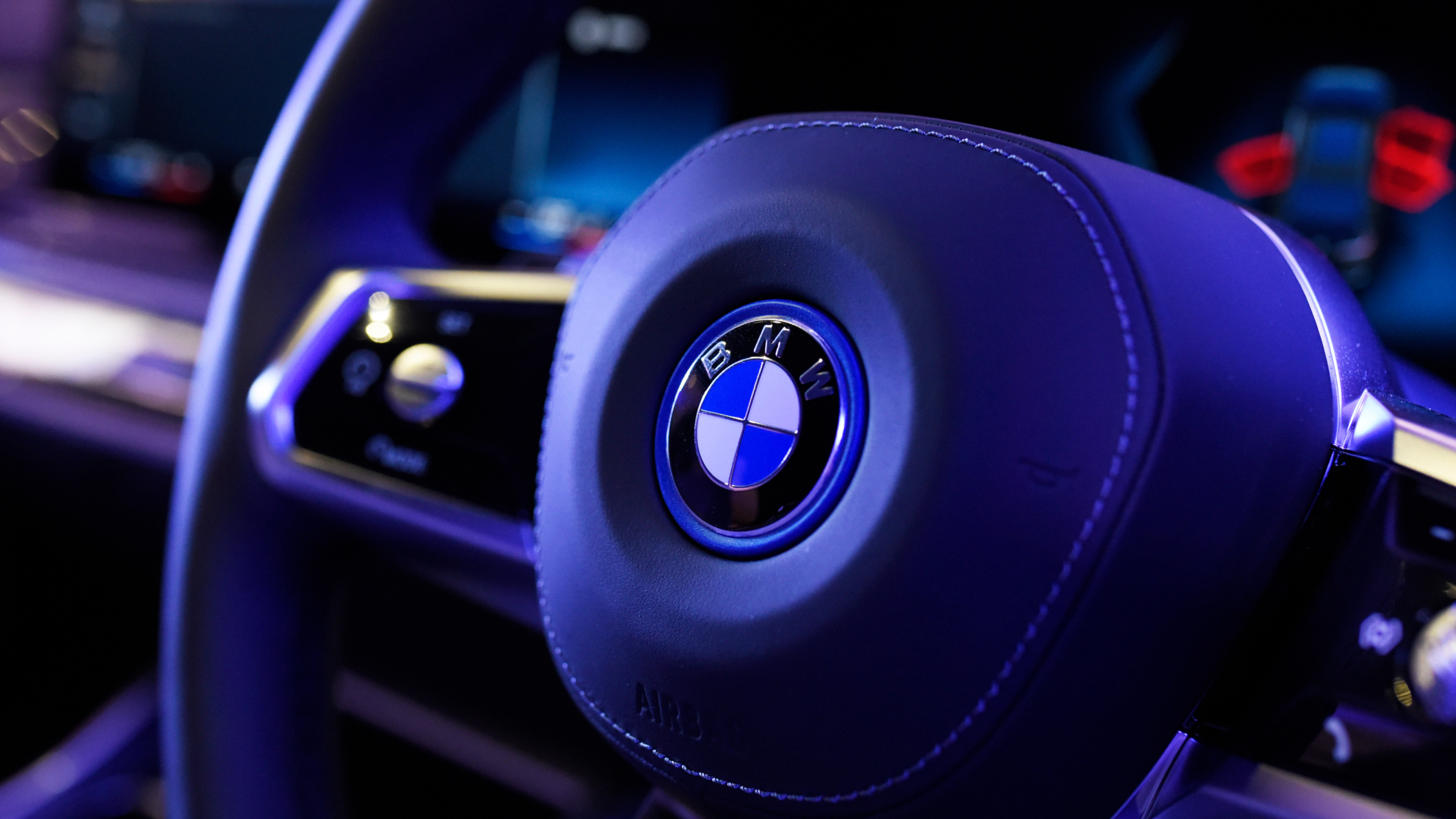
- BMW’s recent capital markets day updates failed to impress investors and analysts.
It’s been a tough year for European carmakers as the sector faces growing competition from Chinese electric vehicles, US tariffs and weaker demand. Most of the carmaker stocks under Morningstar coverage are now screening as undervalued.
Volkswagen VOW3 is down 28% year-to-date and the stock was recently kicked out the Euro Stoxx 50 blue-chip index in its latest annual review.
Fellow German auto stocks BMW BMW and Mercedes-Benz MBG are 39% and 29% in the red so far this year, respectively, while France’s Renault has declined the least, at 19%. Milan-listed Stellantis STLAM, maker of Peugeot, Fiat, Jeep and other brands, has suffered the steepest share price fall of the five at 56% year-to-date.
Richard Halle, manager of the M&G (Lux) European Strategic Value fund, says that “selloffs have tended to treat autos as a single theme, despite significant differences between companies in terms of their exposure to China, pricing power, financial strength and end markets.” The Gold-rated M&G fund has exposure to BMW, Volkswagen and Stellantis.
Why Has Stellantis Performed So Poorly?
Stellantis has been the most punished European carmaker stock so far this year. The company’s shares have yet to recover from a sharp fall in early February, when Stellantis revealed in its preliminary second-half results a charge of about EUR 22 billion resulting from a business reset.
CEO Antonio Filosa said on a results call at the time that the company was resetting its product plan in its EV supply chain to “reflect much more real customer demand, a shift in regulation, following an initial overestimation of pace of adoption of electrification in the regions.”
The Jeep-maker is trading at the steepest discount to its Morningstar fair value estimate of the five stocks, at 48%.
BMW’s Disappointing CMD Leads to Price Target Cuts
Progress toward electrification is crucial as EV sales continue to grow worldwide. Battery-electric cars held a nearly 22% share of the EU market as of August, according to the European Automobile Manufacturers’ Association, up from close to 16% a year earlier. EV demand has increased as the Iran war has driven fuel costs higher.
BMW announced last week that it is investing around EUR 2 billion in vehicle production and battery manufacturing in Germany, as the company shared updates with investors at its Capital Markets Day event. BMW also announced management cuts at its CMD, having already reached an agreement in July over a restructuring program, which is reportedly expected to get rid of around 8,000 jobs. In terms of financial targets, BMW said at its CMD event that it aimed to be back within its long-term margin target range of 8% to 10% in its auto segment by the start of the next decade.
Investors were underwhelmed by the announcements and shares have declined by more than 2% since, exemplifying the challenge that carmakers face in trying to turn a corner. Morningstar senior equity analyst Rella Suskin cut her fair value estimate to EUR 67 from EUR 80, assigning BMW a three-star rating while the other four large manufacturers in Europe remain four-star stocks.
Suskin said that with 2030 “still far away, ongoing market uncertainty, and the likelihood of further restructuring, we see achieving a consistent 8%-10% margin as challenging.”
Deutsche Bank’s head of European equity research Tim Rokossa said that BMW had lowered investor expectations: “BMW largely delivered what we expected […] a structurally lower medium-term margin profile, but also a more credible path to improvement driven primarily by self-help rather than hopes of an industry recovery.”
Rokossa said that while his team viewed the investment case for BMW as “partially derisked […] China remains the key uncertainty.” Deutsche Bank continues to have a Buy rating on the stock but lowered its target price to EUR 71 from EUR 78 per share.
What’s Next For Europe’s Carmakers?
Attention will now turn to crucial trade talks between the EU and China, set to take place in Beijing this week. Tensions between the two economic powers have been rising, with the rapid increase in Chinese EV sales across Europe contributing to the EU’s concerns about its growing trade deficit with China. The key for this week’s talks will be whether the EU and China can make progress on agreeing how to reset the imbalance and avoid a trade war.
Most of the big European carmakers are due to release their latest results at the end of this month, with Mercedes and Stellantis slated to report on Oct.28, followed by Volkswagen and Renault on Oct. 29. BMW is then scheduled to release a quarterly statement on Nov. 4.
Deutsche Bank’s Rokossa does not expect the upcoming third quarter earnings to “provide the evidence required for a meaningful sector re-rating.”
“While there are pockets of improvement, particularly around BEV demand, we see little evidence that the quarter fundamentally alters the earnings trajectory of the European OEMs,” Rokossa said.
