

Key Takeaways:
- Higher taxes on banks and gambling companies were a central feature of the government’s Autumn Budget.
- However, other policy tweaks will see taxation on savings interest and rental income increased.
- More details emerged on support for first-time buyers, from a new ISA to the Your First Home scheme.
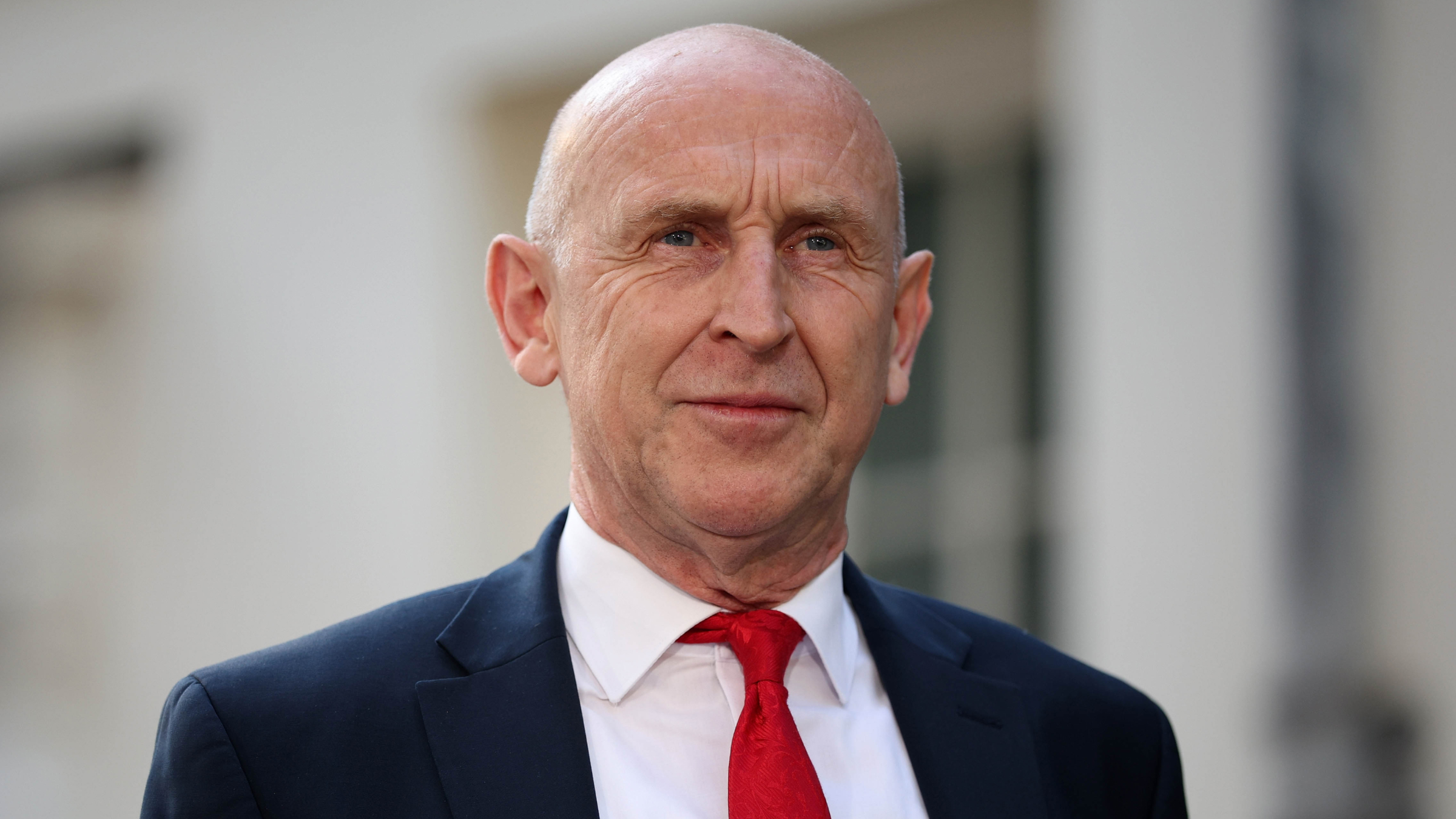
Government efforts to meet self-imposed fiscal rules appear to have placated financial markets at the Autumn Budget, with key stocks up in London and bond yields showing no significant volatility after Chancellor John Healey’s speech.
“The fall in yields is a positive initial verdict, although maintaining that confidence will depend on the government continuing to deliver against its fiscal plans,” says Evangelia Gkeka, principal for fixed-income strategies at Morningstar.
As part of the budget day announcements, the Office for Budget Responsibility downgraded UK economic growth forecasts from 1.6% to 1% for 2027, but increased its predictions for subsequent years. The OBR also predicted a drop in the budget deficit as a percentage of GDP from 4.2% this year to 3.4% in 2027.
“The UK’s Autumn Budget keeps the deficit on a downward trajectory and, crucially, doesn’t do anything that could make life harder for the Bank of England. But many of the UK’s longer-term challenges remain unfunded and unaddressed, while the budget keeps alive the option of an early election in 2027,” says James Smith, developed markets economist at ING.
For individual savers and investors there are still changes to navigate from next year. Though the government opted to avoid dramatic changes to pension tax relief and stamp duty, first-time property buyers and those receiving the state pension will see a positive impact on their finances.
What Tax Changes Were Announced in the Autumn Budget?
Among the most significant tax changes announced at the budget was a temporary three percentage point increase to the bank corporation tax surcharge—from 3% to 6%—lasting 15 months and starting in 2027. Bank stocks actually rose on the news, a sign of relief that the levy will not be as punitive as previously feared. The government will also tax gambling companies to help fund cost of living support.
From corporation tax to personal finance, the government made a significant policy reversal on ISAs. Canceling plans to reduce the ISA allowance from £20,000 to £12,000 from next April, the chancellor also announced fresh ISA products, including one for first-time investors.
But while restoring the full cash ISA allowance, the government is also increasing the tax rates faced by savers who breach ISA limits and the personal savings allowance. At present this lets basic rate taxpayers save up to £1,000 of savings interest tax-free, with higher rate taxpayers given a £500 allowance, and additional rate taxpayers receiving no allowance.
A previously planned tax increase for those who breach these thresholds will be accelerated, with tax on savings interest for basic rate taxpayers rising four percentage points to 24% from April next year. Higher rate taxpayers will face their own four percentage point increase to 44%, while additional rate taxpayers will see an increase from 45% to 49%.
What Does the Autumn Budget Mean for Pensioners?
Prime Minister Andy Burnham had already announced that the government would amend the state pension triple lock so it is uprated by the higher of inflation or 2.5%, with a looser link to earnings—a policy due to take effect in the next parliament. In documents published alongside the Autumn Budget, the government now estimates that the decision will save the Treasury £15 billion a year by the late 2030s, and £50 billion per year by the late 2040s.
The government is also shielding low-income pensioners who would otherwise be liable to pay income tax from April when their state pension payments rise above the income tax personal allowance of £12,570 in April. Because of the triple lock, those in receipt of the state pension are due to pay income tax on their state pension payments, which will reach an annual amount of £13,036 for the first time ever from April next year. This tax relief will cost the government £250 million by 2031/2032, but workplace pension experts already say there is a potential flaw in the policy.
“We are still awaiting details on how the new arrangements will apply to pensioners with small workplace pension savings,” says Malcolm Reynolds, president at Aptia, a pensions administrations consultancy.
“Care will be needed to ensure that those with a modest private pension income are not inadvertently left worse off than those who rely solely on the state pension.”
What Has Changed for First-Time Buyers?
Aspiring first-time homeowners can expect to see the lifetime ISA replaced from April 2029 with a new product: the First Time Buyer ISA. “This product will retain the generosity of the lifetime ISA, allowing contributions of up to £4,000 a year with a 25% government bonus,” the government says in its budget documents. This is in tandem with the Your First Home scheme, a successor to Help to Buy, more details of which were released today.
Your First Home is a narrower scheme than Help-to-Buy originally was, says Morningstar equity analyst Jack Fletcher-Price. The scheme, which is expected to cost the government £4.6 billion, will open in 2027.
“It’s expected to support 2.5% deposits with a government-backed equity loan for up to 20% of the property’s value, initially interest-free, and only applies to first-time buyers of new-build homes from participating developers,” he adds.
Listed housebuilding stocks fell on budget day as investors digested the fine print of the budget document.
“Prior analysis suggested that a figure close to £2 billion per year would be required to materially spur an increase in sales volumes, and the actual announcement has fallen some way short of that,” says Quilter Cheviot head of property research Oli Creasey.
What Does the Autumn Budget Mean for UK Equity Investors?
The stocks and shares ISA limit remains at £20,000, the government said.
Outside of the ISA wrapper, there will be no change to the £500 dividend allowance, and no change to the rates of taxation above that level: at 10.75% for basic rate taxpayers, 35.75% for higher rate taxpayers, and 39.35% for those in the additional rate band.
