

Key Takeaways
- The UK government is under intense pressure after apparently deciding against raising income taxes.
- Property taxes are expected to increase, with a focus on those owning the most expensive homes.
- Changes to private and state pensions could also be announced on Nov. 26.
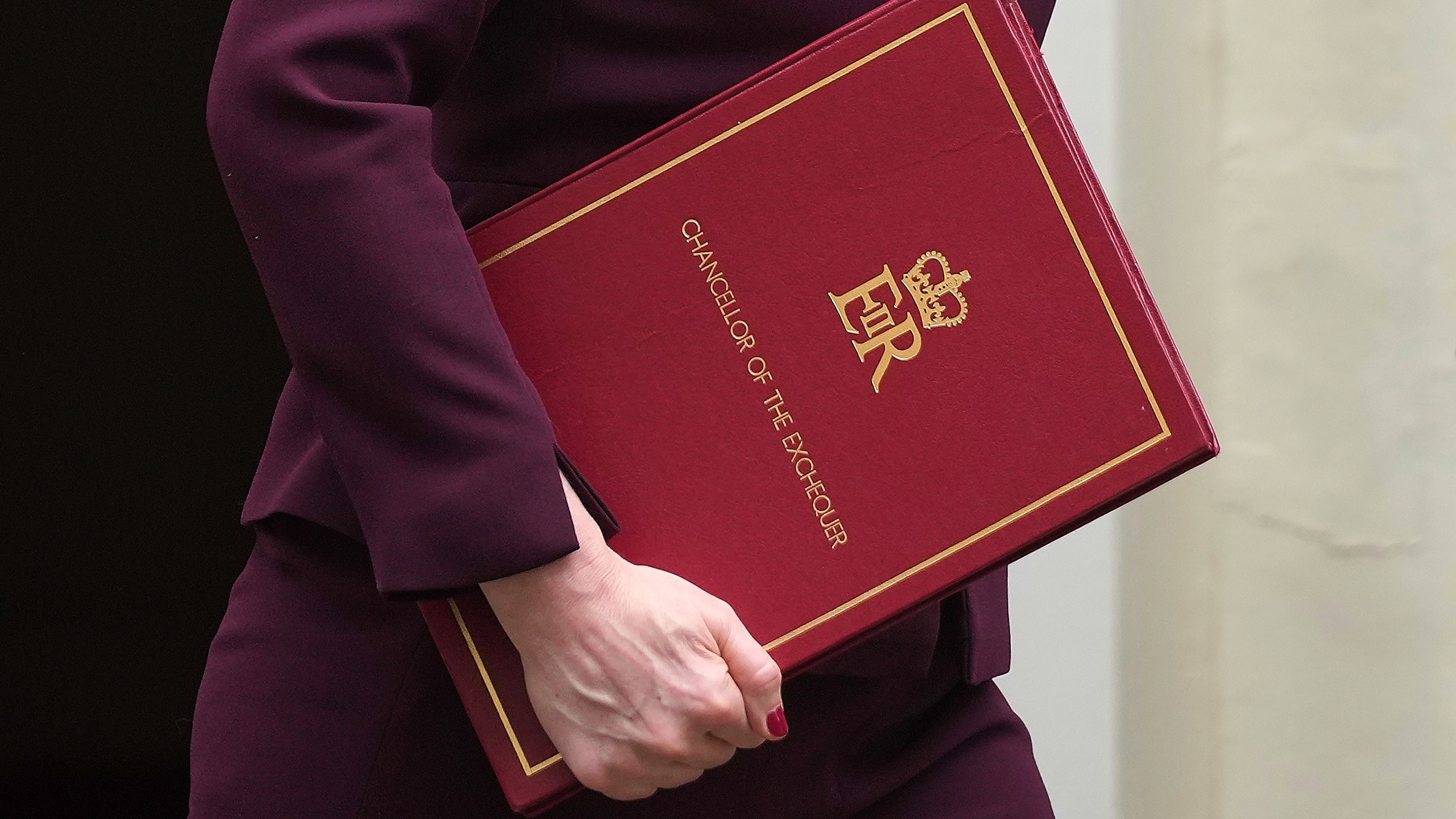
The long build up to the government’s second Autumn Budget has intensified speculation about what the chancellor, Rachel Reeves, is planning to impose on taxpayers. But this delay has also applied further pressure on the prime minister, Keir Starmer, who is fighting off challenges to his leadership and party rebellion over issues like immigration.
With the Nov. 26 date confirmed in early September, the minimum 10-week lead time required by the Office for Budget Responsibility to prepare its forecasts meant there was even more time to debate the contents of the speech. By the time the speech is delivered, there will have been 83 days of discussion about what tax changes are inside it.
1. Income Tax: What Next After The U-Turn?
Having originally pledged not to increase the headline rates of income tax, National Insurance, or VAT, the government appeared to be deliberately preparing the ground for an increase to income tax at the autumn budget. Bond yields softened as markets embraced the logic of tax rises as a way of raising revenue, even as taxpayers were braced for pain ahead.
When media reports in early November suggested Reeves had in fact ditched the plan, bond prices fell and yields rose as traders questioned how the government intended to meet its fiscal rules.
Now the focus has turned to frozen or lowered income tax allowances as a way of bridging the gap.
2. Stamp Duty: Tax Changes Likely as UK Housing Market Struggles
A sluggish property market in 2025 has revived debate over property taxation reform. Following significant changes to stamp duty at last year’s Autumn Budget, lower sales volumes have reduced government revenue, creating an incentive to rethink a tax frequently criticized for discouraging people from moving house.
For prospective movers, the timing of any decisions could be critical: Announced changes might encourage buyers to act quickly, delay purchases, or reevaluate affordability altogether in light of the autumn budget. In an era of serious political division, the chancellor is being urged to be bold and get rid of stamp duty, which is broadly agreed to be a tax on social mobility.
One option for the chancellor is to impose broader reform of all property taxes. In the immediate days before the budget speech, reports suggest the government will launch a “mansion tax” on homes over £2 million. The policy could be accompanied by a revaluation exercise of council taxes to update the current bands from their 1991 levels.
3. Inheritance Tax: Gifting Rules in Focus
Plenty of families are also wondering what the autumn budget will bring for their inheritance tax planning. Feared by millions but paid by just 30,000 estates, inheritance tax is another levy many want to see reformed, if not abolished.
With the government’s finances squeezed, losing that near £9 billion annual revenue looks unlikely. More feasible is a change to the gifting rules that will likely force households to reassess how and when they pass on wealth tax-free, and a possible change to the household nil-rate band to extract more cash from estates with large family homes.
4. Pensions: Tax-Free Cash in the Chancellor’s Sights
One option available to Reeves is a reduction in the tax-free cash that can be withdrawn from private pensions, a central pillar of the “pension freedoms” launched 10 years ago. It’s also possible the chancellor will get around the Labour Party manifesto commitment “not to raise tax on working people” by amending the National Insurance reliefs available to salary sacrifice workplace pension schemes. Higher-rate tax relief on private pensions, a favorite of budget prognosticators for many years now, could also be in scope.
And Will Rachel Reeves Increase Your State Pension?
Those in receipt of the state pension will be paying very close attention to the budget speech, because it may contain news on next year’s payout details.
Either way, if current trends continue, pensioners are likely to end up paying income tax on their state pension in the 2027/8 tax year. With the personal allowance currently frozen and a broader government review of retirement policy launched in July, the chancellor will soon come under pressure to stop people paying tax on their pensions.
5. Cash ISAs: Annual Limits May Change at the Budget
Rachel Reeves may finally make a significant change to ISA rules to encourage the public to invest in stocks and shares rather than cash. Already the subject of a great deal of debate, proponents of the plan say it will protect ISA holders from the ravages of inflation, but critics point out that it’s not the government’s role to tell people what to do with their money. Many industry voices argue that those savers who value cash will not simply switch to stocks because of rule changes in the budget. As budget day approaches, it appears their protests may well have fallen on deaf ears. The Treasury is reportedly considering a change to the current £20,000 ISA allowance to limit cash holdings to a maximum of £12,000.
