

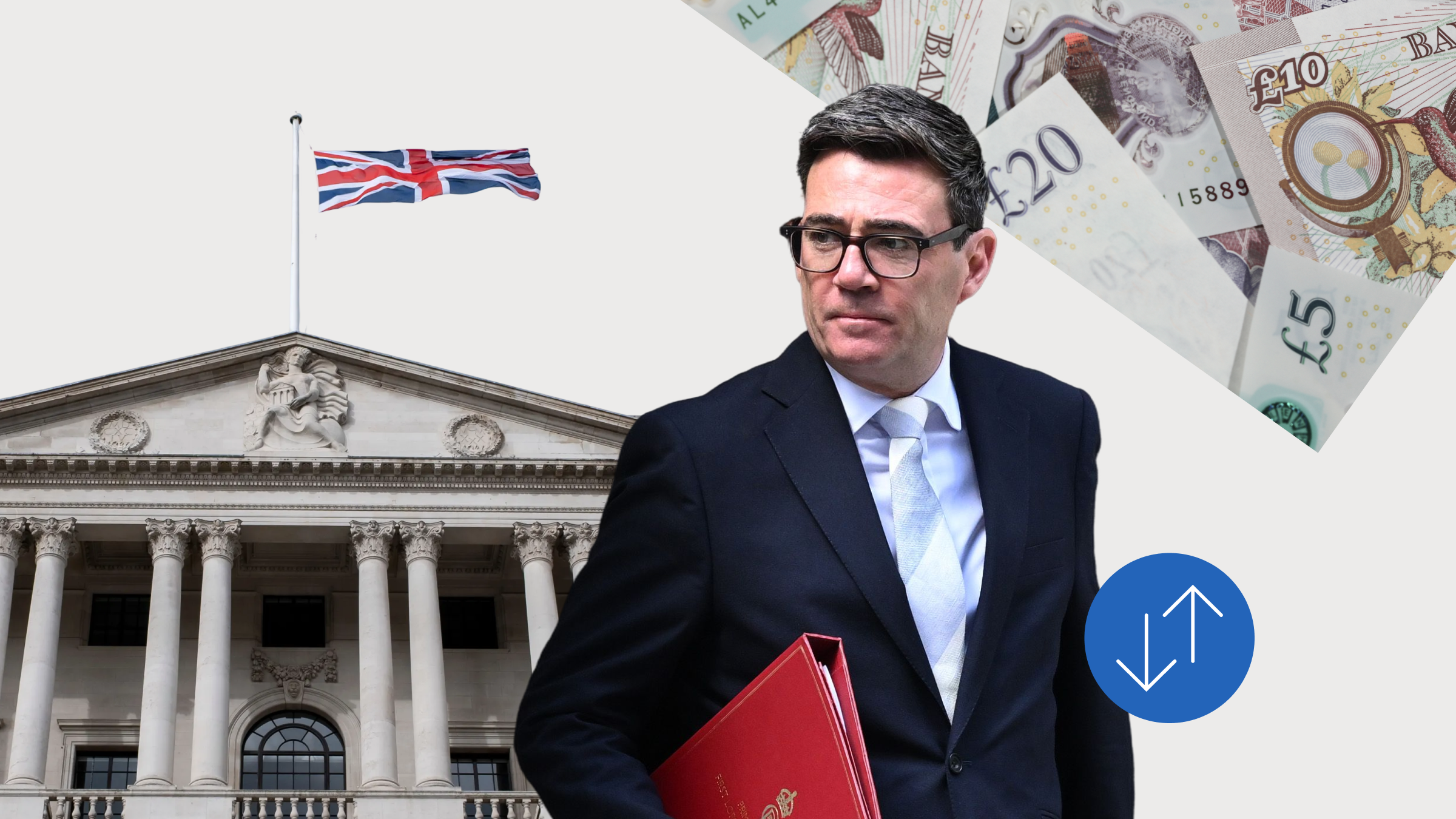
Chancellor John Healey will deliver his maiden budget speech on Oct. 28. Since his appointment in July, the government has confirmed that the state pension triple lock will end in 2030 and that a new scheme for first-time property buyers will succeed Help to Buy. While media reports suggest Healey has ruled out raising capital gains tax, there are plenty of surprises still possible on the day, analysts say. That’s because the government has been keen to avoid a repeat of the budget leaks in 2025 and 2024.
“In the build-up to this budget, we haven’t been hit with quite the same storm of speculation as the last couple of years,” says AJ Bell’s head of personal finance, Sarah Coles.
“This is a welcome change from previous years, and the Treasury deserves credit for largely keeping a lid on rumors so far,” she adds.
1. Inheritance Tax
The inheritance tax regime could be overhauled to fund improvements in UK social care. This could entail a 10% levy on all estates at the point of a person’s death—rather than the 40% of higher value estates—which would transfer the demographic impact of IHT from wealthier asset owners to the general population.
Under a change announced in the 2024 budget, pensions are due to be brought into the IHT regime from April 2027, meaning that unspent pension pots will be potentially subject to a 40% tax, losing their current tax-free status.
2. Stamp Duty
Back in July, Prime Minister Andy Burnham confirmed there would be no immediate changes to stamp duty or council tax, ending a period of speculation ahead of the Autumn Budget.
But leader of the opposition, Kemi Badenoch, early in October promised to scrap stamp duty on purchases of people’s main homes.
This move would save homebuyers thousands of pounds but cost the UK government nearly £10 billion in lost revenue.
3. Income Taxes and the Personal Allowance
“Andy Burnham is hemmed in by Labour’s 2024 manifesto pledge not to raise any of the three major taxes,” says developed markets economist James Smith.
But speculation is rising that the chancellor is preparing to increase income tax to fund spending programs without raising government borrowing.
Any increase to the personal allowance could be one way of softening this blow, analysts say. This could be the only “giveaway” in a budget that is expected to be more “trick than treat,” says Rob Morgan, chief investment analyst at Charles Stanley Direct.
This personal tax allowance could be increased from £12,570 to £15,000 by Labour in a bid to help lower earners. But some think-tanks say that higher earners may end up being the biggest beneficiaries.
4. Pensions: the Triple Lock and Beyond
Changes to the state pension triple lock have been confirmed ahead of the budget. But this just relates to the state pension. There are many other changes the government could now make to personal or private pensions. Could there be changes to the tax-free cash allowance? And could the government withdraw the tax advantages of pensions for higher earners?
5. ISAs and Savings
Ahead of changes already announced to the ISA regime in 2027, those who hold stocks or cash in their ISA will be closely watching the Autumn Budget and reading the fine print of the budget documents. The Your First Home policy is expected to be linked to reforms of ISAs, with an announcement on the replacement to the Lifetime ISA due on Oct. 28.
6. Will Capital Gains Tax Rise?
Chancellor John Healey has reportedly rejected calls from within the Labour Party to increase capital gains tax. As chancellor, Rachel Reeves increased CGT rates in 2024, but if CGT is raised in line with income tax, that could mean higher- or additional-rate taxpayers paying 40% and 45% on the sale of assets, versus 24% now.
While the tax raised £22 billion a year in 2024/2025, there is no consensus on how much hiking the tax will actually raise for the government.
